

How Aviation Meteorology Reduces Flight Delays and Improves Operational Reliability
18 Sep, 2026
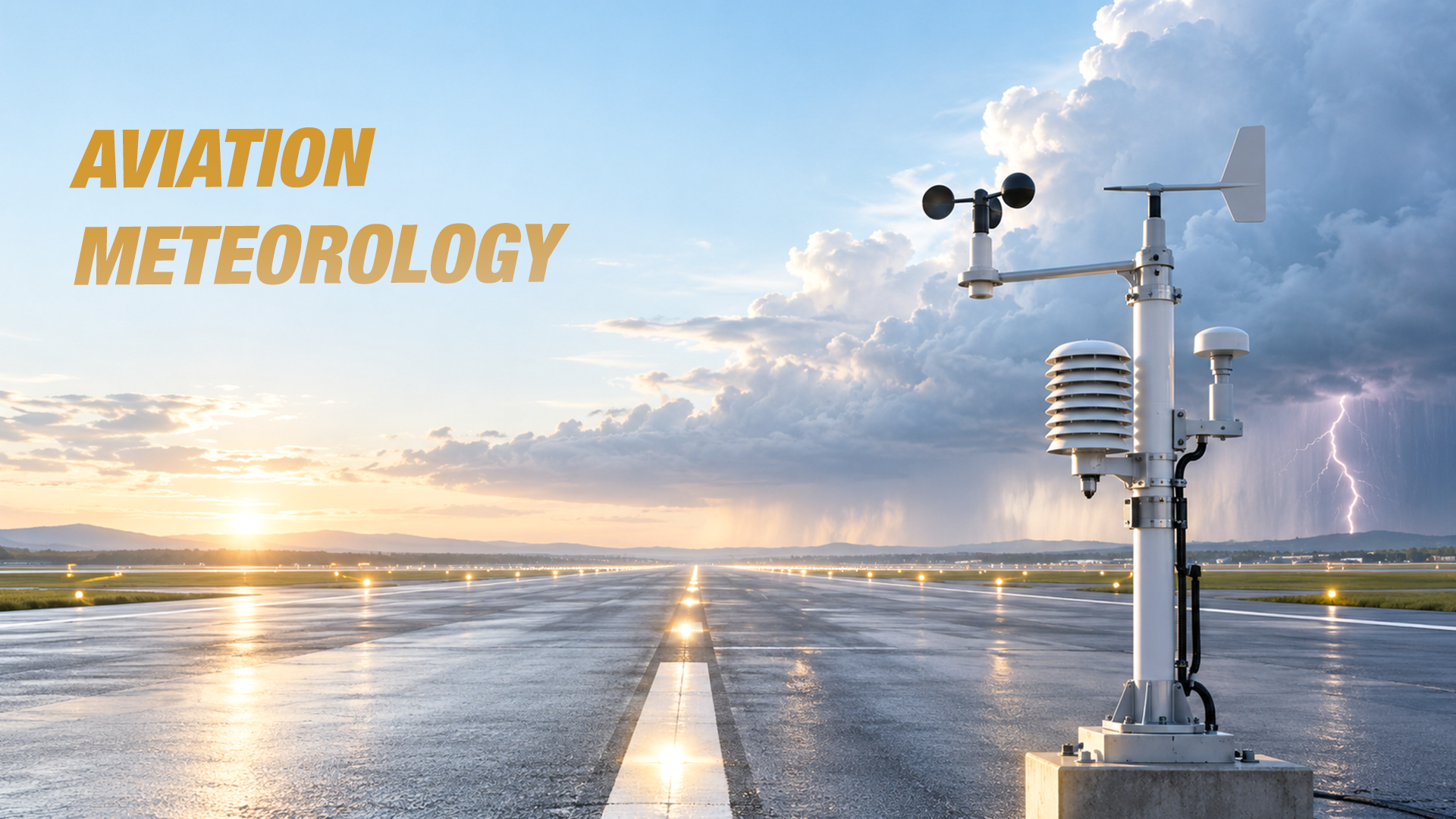
A flight can be planned down to the smallest detail: the route is confirmed, the aircraft is fueled, the crew is ready, and passengers are on their way to the airport. Then, shortly before departure, a fast-moving storm develops near the destination. Within minutes, the original plan may no longer be practical. The crew may need a different route, the aircraft may require additional fuel, and the arrival airport may no longer be the best option.
This is the reality of aviation. Weather is one of the most significant causes of flight delays because it can change quickly and affect decisions at every stage of a journey. Even a well-prepared operation can be disrupted by sudden thunderstorms, strong winds, low visibility, icing, or other hazardous conditions.
Airlines, private aviation companies, charter operators, and aviation service providers, such as Jet Business Solutions, rely on timely and accurate aviation meteorological data to reduce uncertainty and prepare for these changes. Early weather analysis gives operators more time to adjust routes, review airport conditions, coordinate services, and communicate with crews and passengers before disruption spreads across the operation.
Understanding the Aviation Meteorological Data Used by Aviation Professionals
Reducing flight delays as much as possible and maintaining operational reliability require detailed meteorological information. Aviation meteorology uses specialized products that combine current observations with forecasts and hazard information. Together, they help pilots, dispatchers, and operations teams build an accurate picture of the environment in which a flight will operate.
Current airport conditions are reported through the Meteorological Aerodrome Report, commonly known as a METAR. Issued by airports worldwide, it includes wind direction and speed, visibility, present weather, cloud cover, temperature, dew point, and altimeter settings. This information allows aviation professionals to assess conditions for departures, arrivals, and airport activity at the time of observation.
A Terminal Aerodrome Forecast, or TAF, looks ahead rather than describing the present situation. It indicates how conditions are expected to develop at a specific airport during a defined period, giving operators advance notice of changes that could affect a planned movement.
For hazards encountered beyond the immediate airport environment, operators rely on SIGMET advisories. These alerts identify significant en-route threats, including severe turbulence, severe icing, thunderstorms, and volcanic ash. They help crews and flight planners recognize areas that may require avoidance or additional operational consideration.
These formal products are supported by weather radar, satellite imagery, winds-aloft data, automated monitoring systems, and other meteorological tools. Their combined use provides the context needed to understand not only what is happening, but also how a weather system is moving and developing.
Applying Weather Intelligence Across a Flight Operation
Analyzing aviation meteorological information begins during flight preparation, when operations teams examine conditions affecting the route, destination, and available alternates. Depending on the severity and expected duration of the weather conditions, the findings may lead to changes in departure time, flight level, route, or fuel planning.
The plan must remain flexible after departure because actual conditions may differ from earlier forecasts. Updated information allows crews and ground-based teams to monitor developing hazards and make timely navigation or operational adjustments. Weather awareness remains relevant after landing as well, particularly when conditions affect aircraft turnaround activities or the next scheduled movement.
Airport weather can also create consequences beyond the aircraft itself. Reduced visibility may limit arrival capacity or change the approach procedures available to crews, while thunderstorms can interrupt ramp activity and temporarily restrict ground personnel from working near aircraft. Such conditions may require changes to handling, passenger transportation, crew arrangements, or service timing.
These considerations are especially important in business aviation, where missions are often customized, and schedules may allow little room for disruption. A single flight can involve passengers, crews, handlers, airport representatives, and several external service providers. So, effective weather analysis helps identify a problem early and gives these parties time to adapt without compromising the overall mission and causing any flight delay.
The Risks of Operating Without Accurate Aviation Meteorological Information
Without accurate and timely meteorological information, aviation operators are forced to make decisions with an incomplete understanding of the conditions that may affect a flight. This uncertainty can lead to unsuitable routing, insufficient fuel planning, poor selection of alternate airports, and unrealistic departure or arrival expectations.
When adverse weather is identified too late, operators have fewer options available. A flight may need to remain on the ground while a new route is prepared, additional fuel is arranged, or airport conditions are reassessed. An aircraft already in flight may face holding, diversion, or an unplanned change of destination. Each of these outcomes can extend flight time, increase fuel consumption, and create additional operational costs.
The disruption may also continue after the aircraft lands. A delayed arrival can affect crew duty limits, passenger transportation, ground-handling arrangements, aircraft turnaround times, and the next flight’s schedule. For operators managing multiple daily movements, an unexpected weather event can trigger a chain reaction across the wider operation.
Limited weather awareness can also place airport and ground teams in a reactive position. Service providers may receive little notice of revised arrival times, alternate destinations, or changing handling requirements. Passengers and clients may then experience late updates, longer waiting periods, and uncertainty about whether the flight can proceed as planned.
This shows the importance of aviation meteorological information throughout an aviation plan. Weather cannot be controlled, but its operational consequences can often be reduced when decisions are based on accurate information and made early enough to protect the rest of the operation.
How Jet Business Solutions Supports Weather-Affected Flight Operations
Jet Business Solutions incorporates aviation meteorology into its broader flight-planning and operational-support services. Rather than treating weather data as an isolated source of information, JBS considers how changing conditions may affect the practical execution of a mission.
When conditions require a change, JBS can help translate the revised operational plan into coordinated action. This may involve updating flight-planning arrangements, confirming the suitability of an alternate airport, reviewing handling requirements, and addressing fuel considerations.
A thunderstorm forecast near a destination airport illustrates the importance of this integrated approach. Avoiding the affected area may solve only the airborne part of the problem. The alternate airport must also be able to receive the aircraft, provide the required handling services, and accommodate passengers and crew. By coordinating these dependencies, an experienced flight-support provider helps ensure that a technically sound decision can also be implemented efficiently.